Force of Fury A.R.S.: The Rob Halford Show
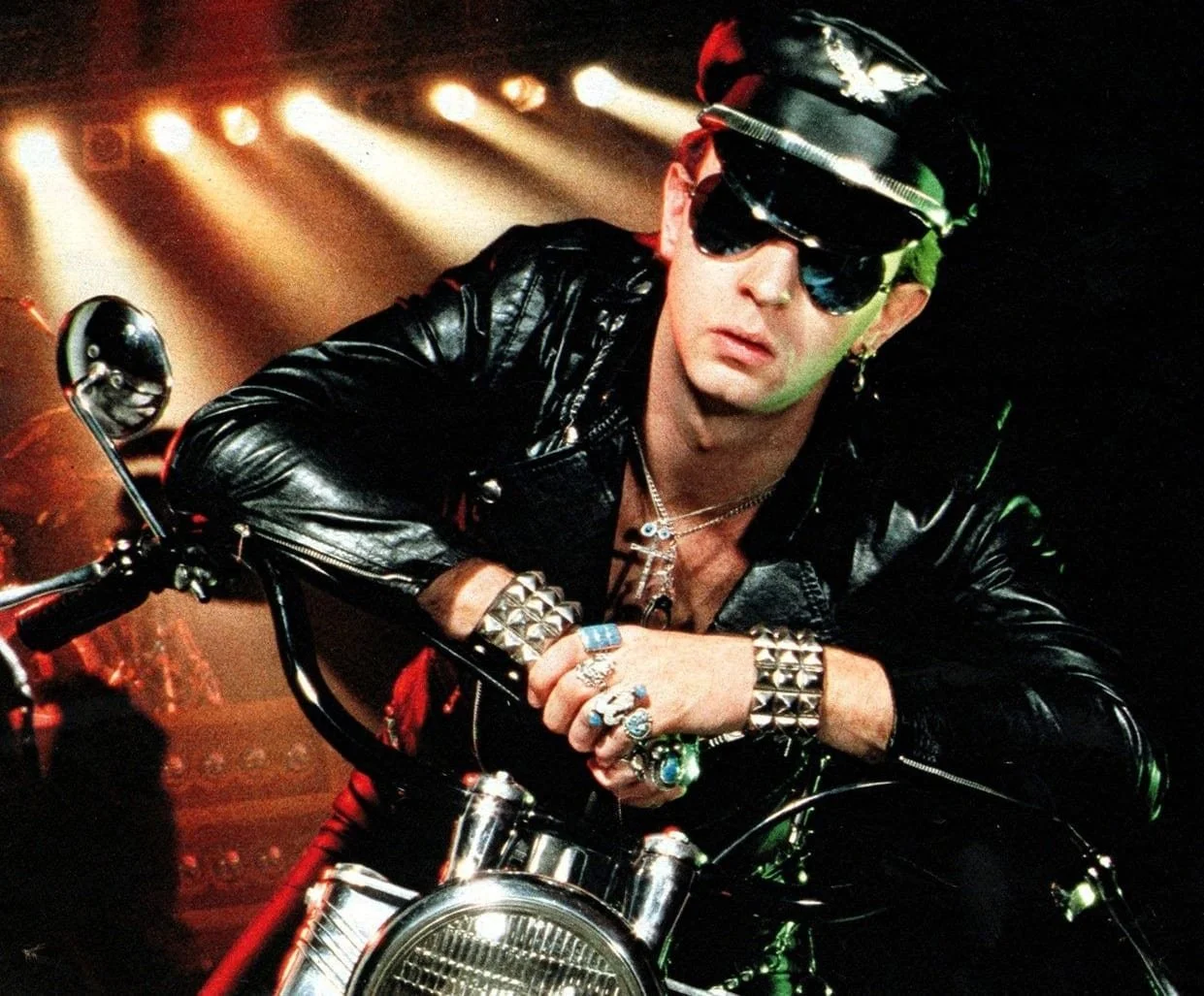
On this special episode of Force of Fury (FOF), we begin something deeper than a spotlight show. This is Part 1 of FOF’s Addiction & Recovery Series — exploring not only the music, but the human story behind the metal.
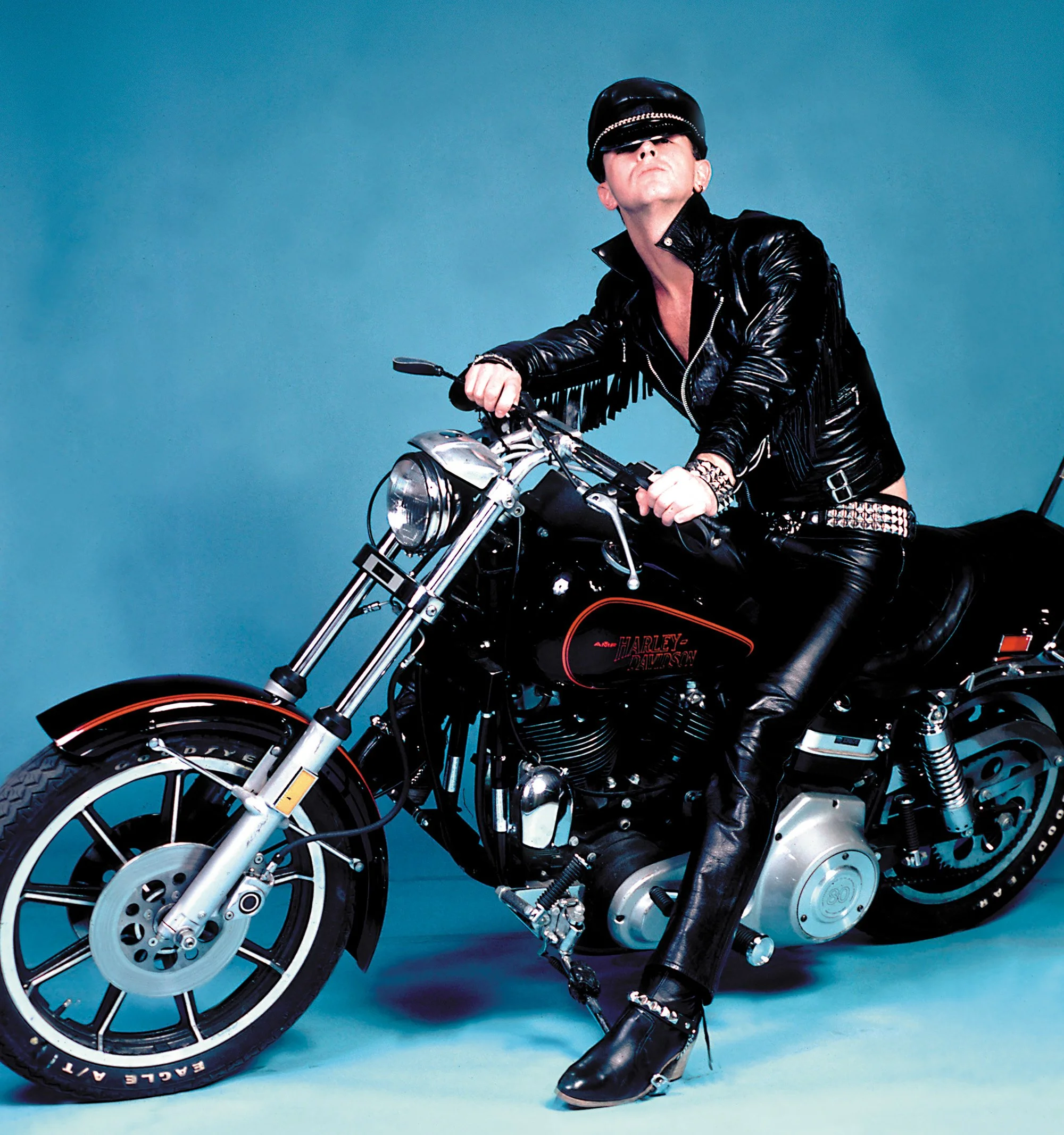
As the legendary frontman of Judas Priest, Halford helped define heavy metal’s sound and image. The soaring range. The twin-guitar attack. The leather-and-steel aesthetic that became synonymous with the genre. Songs like “Victim of Changes” and “Painkiller” didn’t just shake arenas — they rewrote the rules of heavy music.
But behind the power was a battle.
Halford has spoken openly about his struggles with addiction during the height of Priest’s success. In interviews, he has reflected with stark honesty:
“I was living the rock and roll lifestyle to the extreme.”
And later, after choosing sobriety:
“Sobriety gave me clarity. It gave me my life back.”
That clarity didn’t soften him. It sharpened him.
The 1990s: Reinvention Beyond Priest
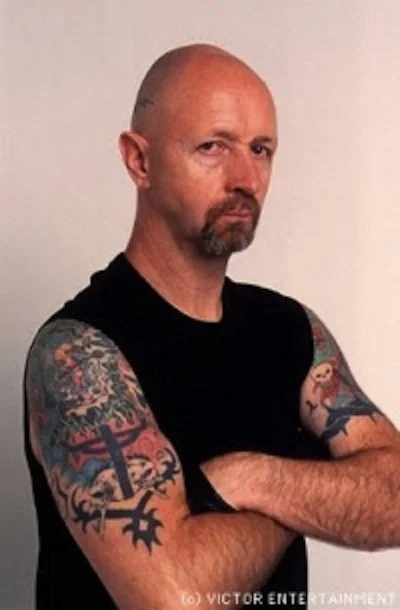
When Halford stepped away from Judas Priest in the early 1990s, many wondered whether the Metal God could exist outside the machine he helped build. Instead of retreating, he reinvented.
With Fight, he embraced a heavier, more modern aggression that reflected the shifting metal landscape of the decade. Later, through the industrial-leaning project 2wo, he experimented with darker textures and contemporary production — taking risks that few established metal icons would attempt. By the end of the decade, he returned to a more traditional heavy metal foundation with his band Halford, proving that his identity was never confined to one lineup.
The 1990s were not a detour. They were a proving ground.
And through it all, recovery remained central.
How Recovery Reshaped His Artistry and Longevity
Addiction consumes energy. Recovery restores it.
Addiction fragments identity. Recovery integrates it.
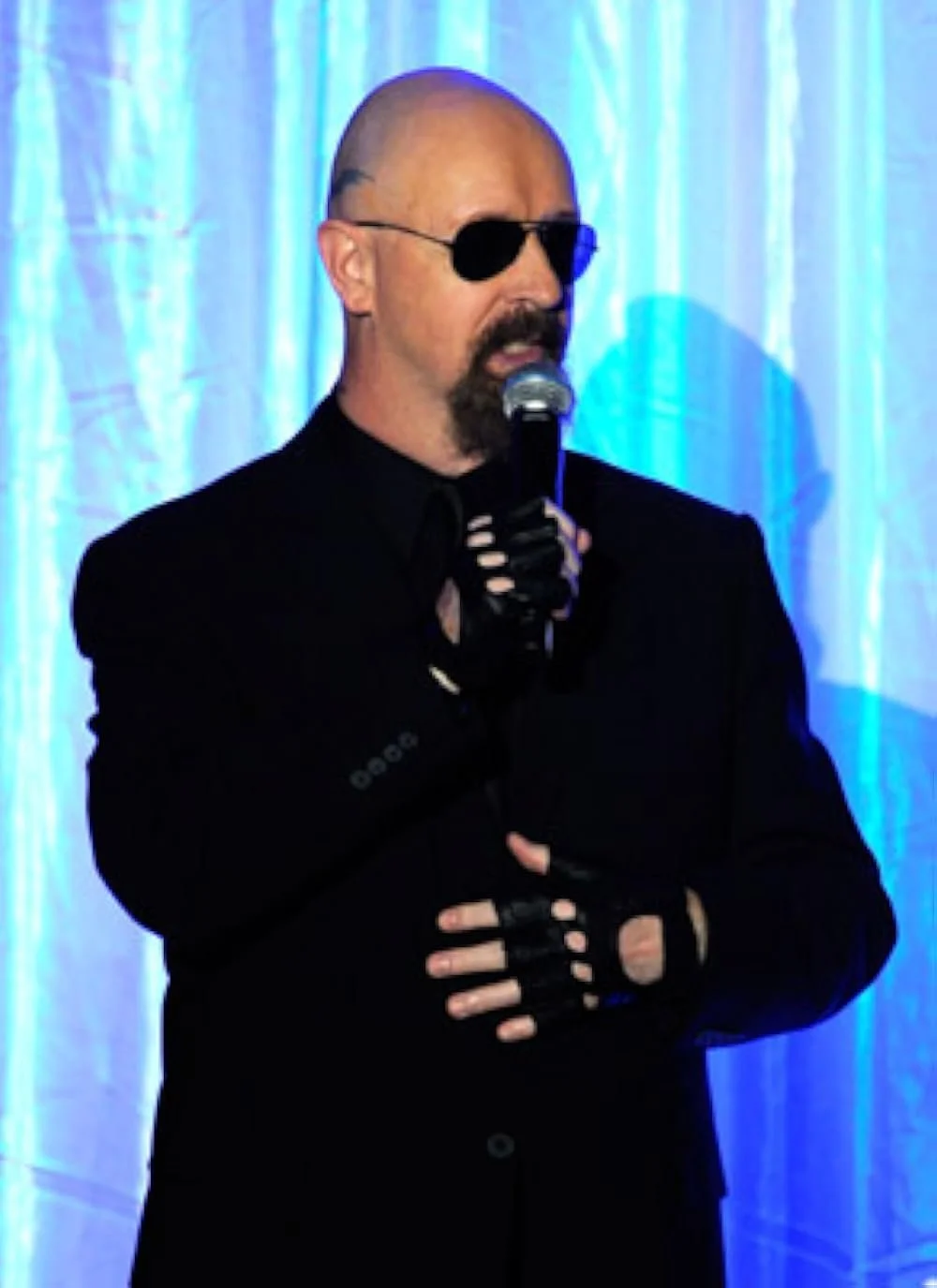
Sobriety brought discipline back into Halford’s craft. His vocal technique — already legendary — became sustainable. Breath control, range management, and touring endurance all improved with clarity and focus. Instead of burning out, he stabilized. Instead of fading, he recalibrated.
For a genre built on intensity, this is revolutionary.
Metal glorified excess for decades. Halford’s survival — and transparency — quietly challenged that mythology.
Return of the Metal God: 2004 and Beyond
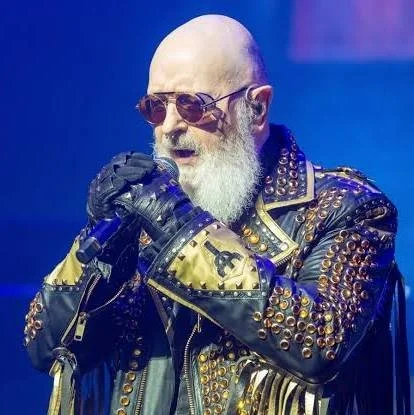
When Rob Halford reunited with Judas Priest in 2004, it wasn’t nostalgia — it was renewal.
The reunion was about more than restoring a classic lineup. It marked the return of a focused, grounded, and fully present frontman. Albums like Angel of Retribution, Nostradamus, Redeemer of Souls, and especially Firepower demonstrated something remarkable: this was not a legacy act coasting on reputation. This was a band operating with intent.
On Firepower, Halford delivered performances that stunned critics and fans alike. Many asked the same question: how can a singer in his seventies still command that kind of range and control?
The answer may lie in recovery.
Post-2004 Halford isn’t simply preserving history — he’s extending it. Touring globally, delivering consistent performances, and maintaining vocal authority decade after decade, he has become one of metal’s rare examples of endurance without compromise.
There is something different in his stage presence now. Still fierce. Still commanding. But grounded. Intentional. Grateful.
The man, the voice, the band — aligned.
Why This Episode Matters
Force of Fury doesn’t just celebrate riffs.
It studies resilience.
This first installment of the Addiction & Recovery Series looks at how fame, pressure, identity, and excess intersect — especially in heavy metal culture. Halford’s story reminds us that strength is not just found in a scream that splits the sky. It’s found in the decision to survive, to recover, and to return stronger.
Metal often celebrates destruction.
Rob Halford’s story celebrates rebuilding.
Force of Fury, Turn it up, EVERY NIGHT at 9 PM
NEW EPISODES EVERY Monday