Force of Fury A.R.S.: The Corey Taylor Story
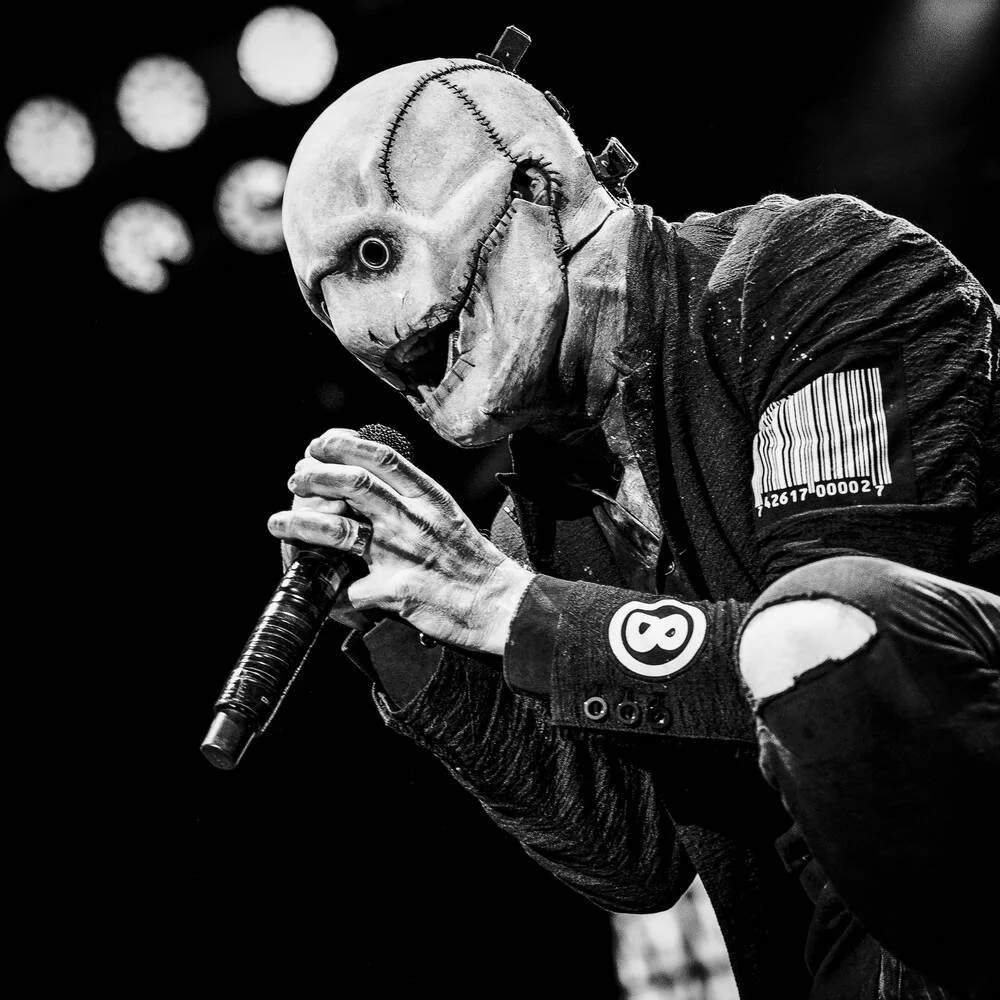
Masked Corey Taylor
Chaos, Collapse, and Recovery in Heavy Metal
Heavy metal has long functioned as a cultural space where anger, alienation, and personal struggle are expressed with unusual directness. Within that tradition, few modern artists illustrate the intersection of artistic intensity and personal recovery as clearly as Corey Taylor.
This episode of Force of Fury’s Addiction Recovery Series (A.R.S.) examines Taylor’s trajectory through three distinct phases: the instability of his early life, the destructive excess that accompanied the rise of Slipknot, and the sustained sobriety that has shaped his career over the past two decades.
The result is not merely the biography of a prominent vocalist, but a case study in how artists navigate the pressures of fame, identity, and personal recovery within the modern music industry.
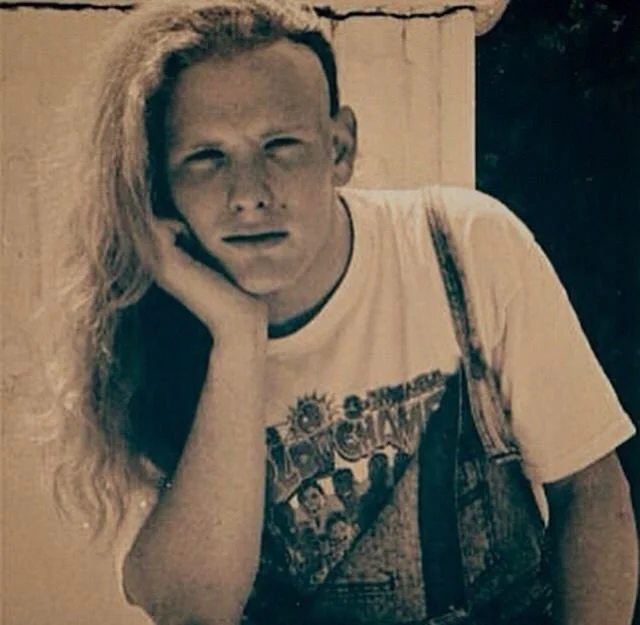
Young Corey Taylor
Early Years: Instability and Creative Formation
Taylor’s upbringing in Des Moines, Iowa was marked by economic hardship and family instability. Raised largely by his mother and grandmother, he has spoken candidly about early exposure to drugs and alcohol and the psychological turbulence of adolescence.
In later interviews, Taylor described the speed with which substance use became embedded in his life:
“I started drinking way too young, and once I started, I didn’t stop.”
At the same time, music provided both a sense of structure and a vehicle for expression. The aggression and theatricality of heavy metal offered a framework through which personal frustration could be transformed into performance.
Early works such as “Get Inside” by Stone Sour and “Eyeless” by Slipknot capture the emotional volatility that defined this formative period. The lyrics and delivery convey alienation, resentment, and a persistent search for identity—common themes in the genre, but particularly resonant in Taylor’s case given his personal background.
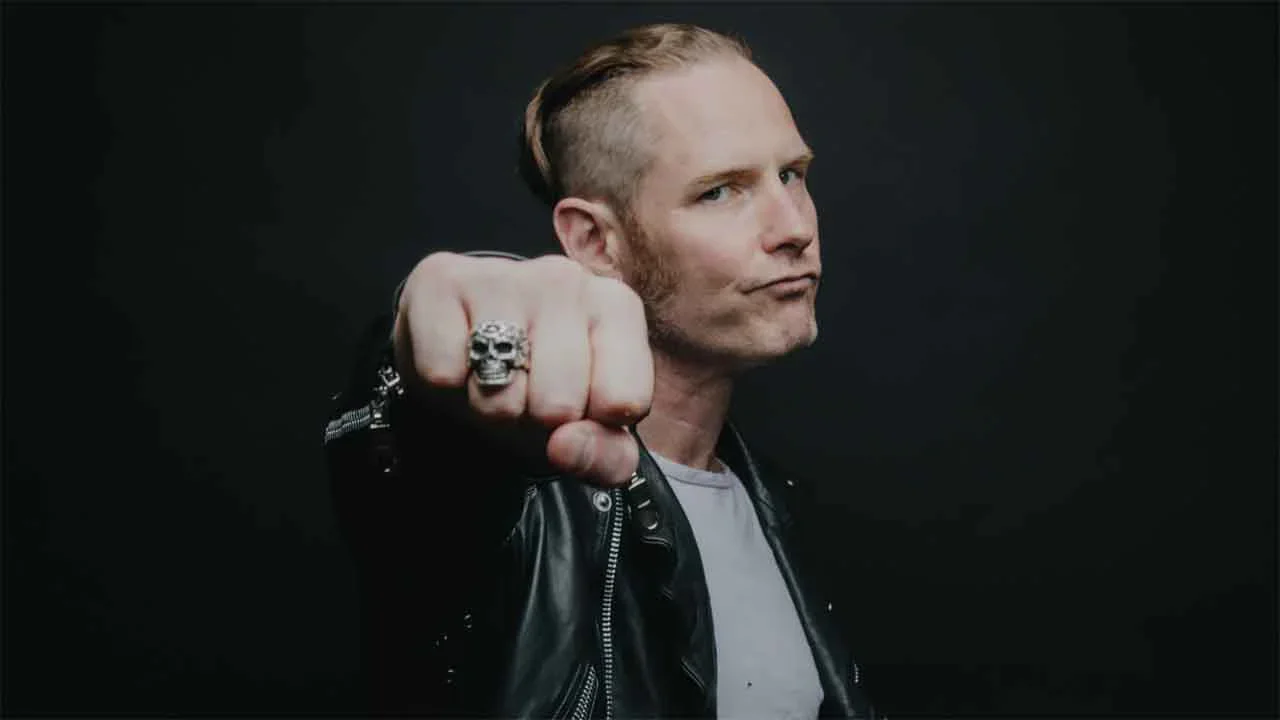
Super Talented Corey Taylor thrives in Recovery
The Rise of Slipknot and the Culture of Excess
By the late 1990s, Slipknot had emerged as one of the most commercially successful and culturally disruptive acts in modern metal. Their theatrical presentation, masked personas, and sonic aggression resonated with audiences worldwide.
However, the rapid ascent also intensified the pressures surrounding the band. Touring schedules, media attention, and the traditional excesses of rock culture created an environment in which substance abuse became normalized.
Taylor has been unusually candid about this period, particularly during the cycle surrounding the influential 2001 album Iowa.
“I was blackout drunk for most of the Iowa tour.”
The music produced during this era reflects that volatility. Tracks such as “Disasterpiece” embody the hostility and emotional extremity that defined the band’s public identity, while also hinting at the internal instability experienced by its members.
In retrospect, Taylor has described addiction with stark clarity:
“Addiction tells you everything is fine… right up until it destroys your life.”
This period illustrates a familiar paradox in rock culture: the very traits that produce compelling art—intensity, confrontation, and emotional openness—can also coexist with behaviors that place artists at significant personal risk.
Crisis and the Decision to Change
For Taylor, the early 2000s marked a critical turning point. The accumulated effects of addiction, touring, and psychological strain forced a reassessment of his trajectory.
He has summarized the moment with characteristic bluntness:
“There came a point where it was either get sober or die.”
The decision to pursue sobriety initiated a lengthy process of personal restructuring. Recovery required not only abstaining from substances but also confronting the underlying emotional issues that had fueled addiction.
For many performers, such transitions coincide with a decline in creative output. Taylor’s career, however, suggests the opposite.
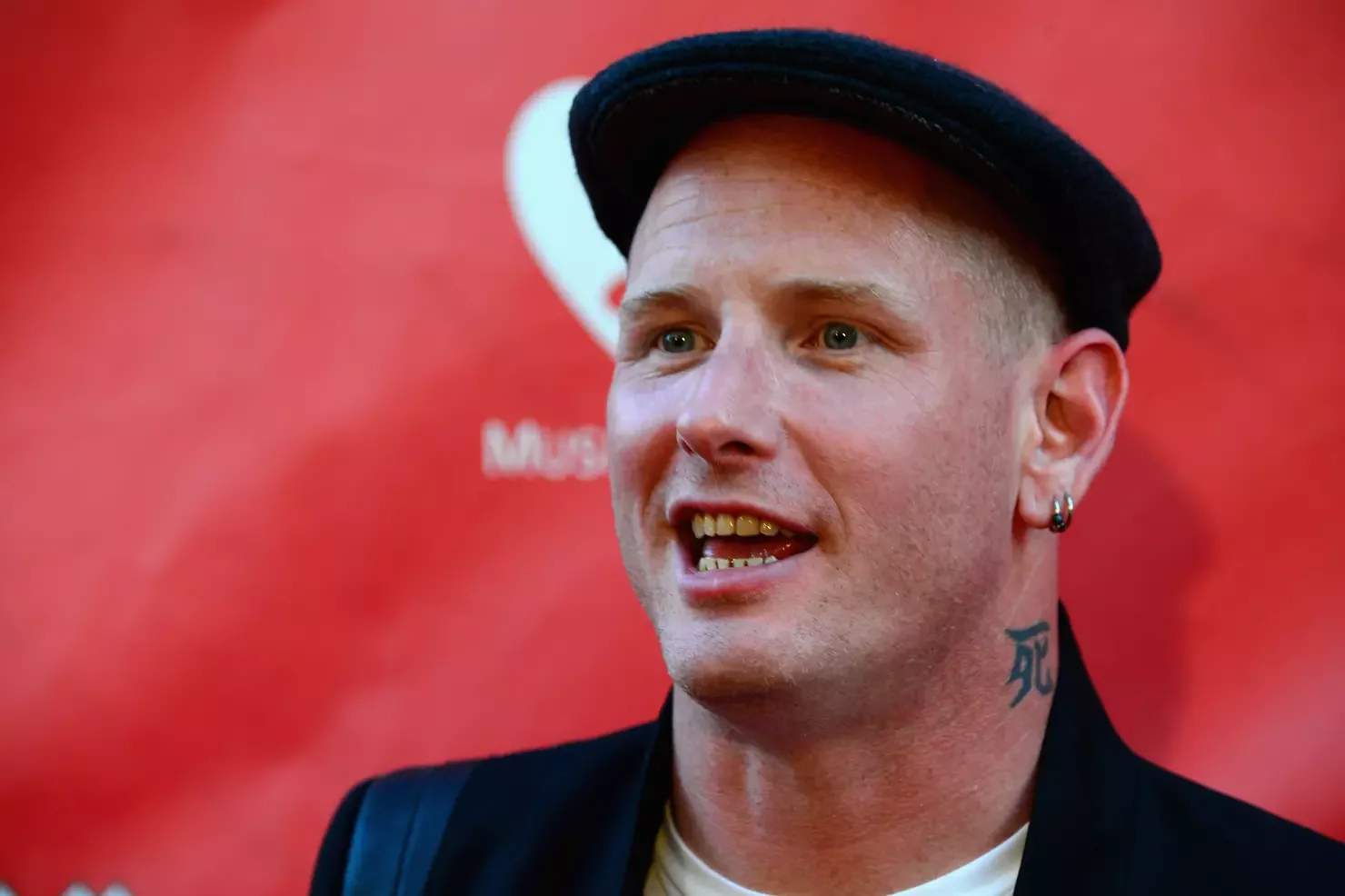
Corey Taylor
The Recovery Years
Taylor has now maintained sobriety for more than two decades—an achievement that has coincided with some of the most commercially successful and critically recognized phases of his career.
Subsequent Slipknot releases demonstrate a notable shift in thematic focus. Songs such as “The Devil In I,” “Unsainted,” and “A Liar’s Funeral” explore accountability, introspection, and psychological resilience rather than pure aggression.
Taylor’s solo work provides an even more reflective perspective. Tracks like “Black Eyes Blue” reveal a willingness to examine vulnerability and personal responsibility in ways that differ markedly from the nihilistic posture often associated with early Slipknot material.
He has frequently emphasized that sobriety enhanced rather than diminished his creative capacity:
“Sobriety didn’t take anything away from me — it gave me everything back.”
This perspective aligns with a growing body of research suggesting that long-term recovery often enables artists to sustain creative productivity while maintaining personal stability.
Music, Identity, and Reinvention
Taylor’s career illustrates an important dynamic within contemporary music culture: the capacity for artists to reconstruct both their personal lives and public identities after periods of crisis.
Heavy metal has historically provided a platform for confronting difficult truths about anger, trauma, and alienation. Yet Taylor’s story suggests that the genre can also articulate narratives of accountability and transformation.
His trajectory—from adolescent instability to global success, followed by collapse and recovery—demonstrates that artistic intensity need not be inseparable from self-destruction.
If anything, his experience underscores a broader lesson about resilience in the creative professions.
Recovery does not erase the past.
It allows individuals to redefine what comes next.
Go to BBN31 or Download the Blackhole Broadcast Network APP in the Apple App Store
Listen to this Force of Fury show on Monday at 9 PM.